

Lead Like a Chef
Effective leadership lessons I've learned from chefs

When I started writing about food, I was granted the privilege to interview chefs and visit their kitchens. Through those conversations, I have come to admire the coaching and mentoring skills of many of these chefs. Recently, I watched Knife’s Edge, the Apple TV show about restaurants trying to earn or keep their Michelin stars. I also read Brene Brown’s book Strong Ground and Chef Jose Andres’ book Change the Recipe. After consuming this trio of thought-provoking, I found myself reflecting on the leadership lessons I learned from chefs over the years.
We often see chefs on TV or in movies screaming, throwing things, and acting like dictators in their kitchens. Anthony Bourdain famously chronicled the toxicity of restaurant kitchens in his book Kitchen Confidential. Even recent examples show that not everyone has left these poor practices in the past, saying things like, and I’m paraphrasing, “We’ll beat the next Michelin star out of you.” But many chefs have worked to change their kitchen dynamic and to create a healthy working environment, knowing that passion and patience are equally important to their success.
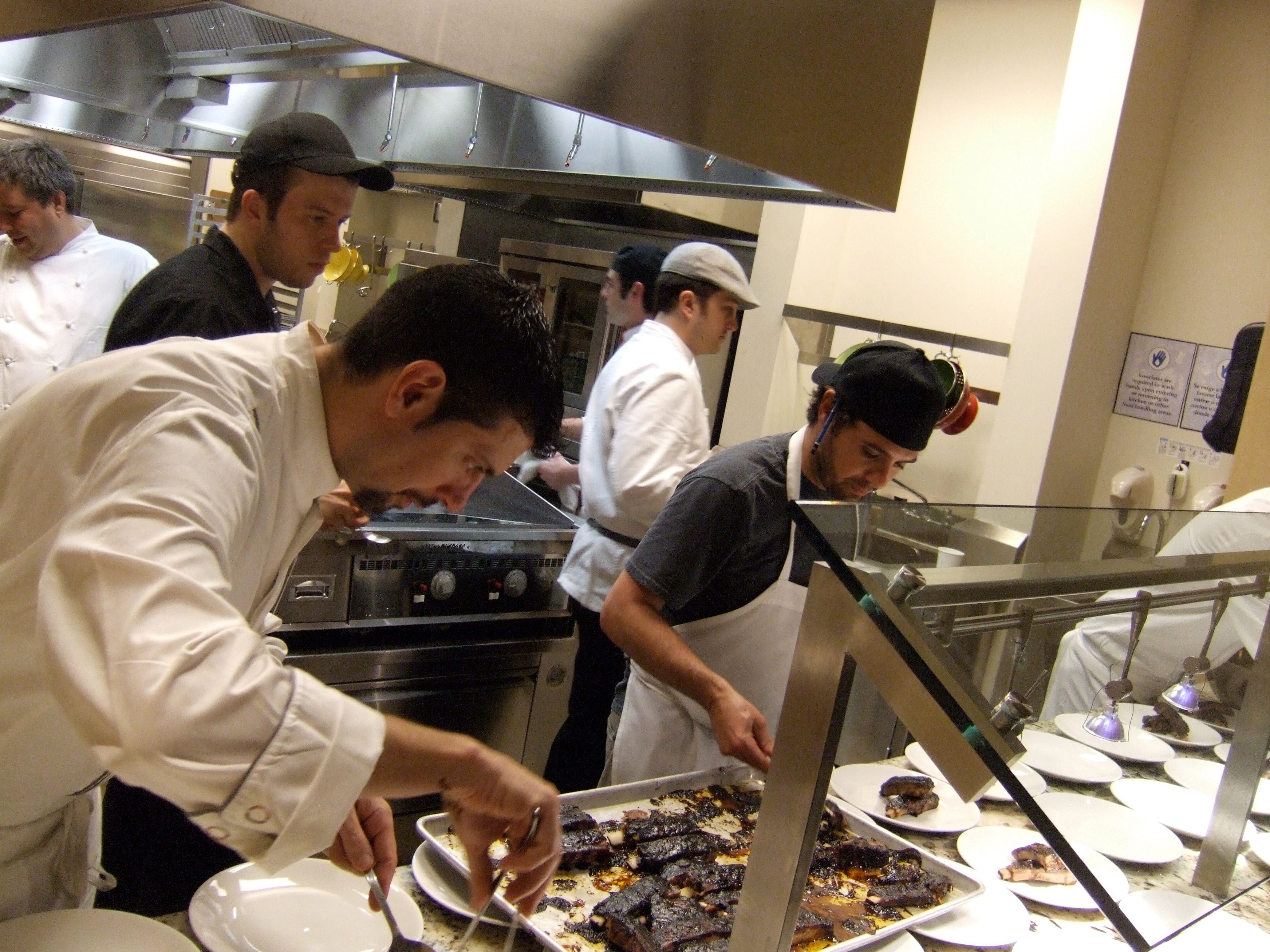
Here are some of the things that I’ve learned from the chefs who work so hard to create a safe, healthy workplace and to grow the next generation of strong leaders in the kitchen. I use these lessons daily in my work and life, and am better for it.
Preparation is the key to success. Good chefs prepare their workstation before they start cooking using a practice called “mise en place,” French for everything in its place. These chefs know that when they are prepared, it is easier to achieve the outcome they desire. For me, this translates to a personal ‘mise en place’—a set of daily routines that help me focus my energy. I start each day with a short meditation to ground myself before reviewing my schedule to get clear on what I hope to achieve.
Behind the scenes chaos impacts the outcome. Austin used to have a cooking competition for line cooks and sous chefs called Citywide 86’d. Similar to the TV show Chopped, there were a series of surprise challenges with four contestants that ended with one winner each week. The finalists from each preliminary round competed in a final cookoff.
I was fortunate to attend a number of these competitions and one Saturday I was observing the event with Chef Philip Speer, one of the organizers. We were watching the contestants race to finish their dishes before the timer binged and noticed that one contestant had a very messy station. Chef Speer said to me, “ I bet he gets cut first.” I asked how he could know that without tasting the food and he said “chaos always shows up in the dish.” Guess what - he was right. The messy contestant was the first to be cut. Later that morning, I saw Chef Speer coaching the contestant on how to approach a challenge like that differently the next time.
I do my best to not create chaos so that the end product of whatever I’m doing is the best that it can be. Having a proactive mindset, ensuring we have a solid plan, and cleanly tying off loose ends after each milestone goes a long way to quelling the chaos.
Fast is slow and slow is fast. Tied to the lesson above, I have heard many chefs coach their teams that “Fast is slow and slow is fast.” It seems counterintuitive, but slowing down and being deliberate and mindful in your actions get you to the desired outcome faster. When you rush or are hasty, you make mistakes that slow you down causing you to redo things. When I find myself rushing, I repeat the “Fast is slow” mantra, pause to recalibrate, and then start again.
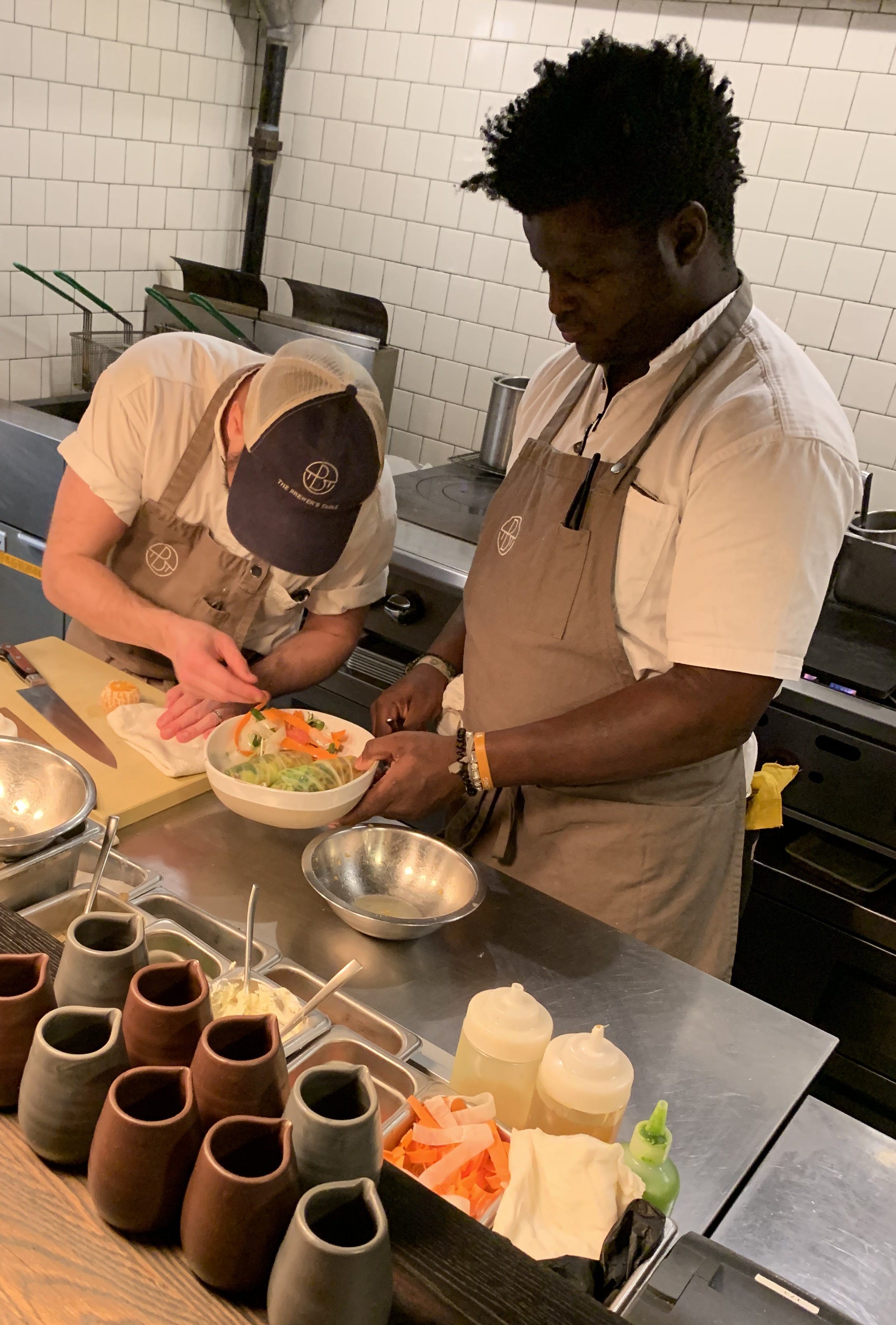
Communicate, communicate, communicate. Most of us have heard the common kitchen phrases - “Yes, chef” to acknowledge a request; “Behind, chef,” to warn someone you are walking behind them with something hot or sharp; and “Hands” to request that dishes be delivered to customers. Kitchens have a common language that facilitates efficient communication and keeps everyone safe. When communication breaks down in a kitchen, things go sideways fast—and in that environment, people can get hurt.I practice this in my corporate life by reminding myself that if I’m not communicating effectively, I’m creating ambiguity for others - a losing proposition for everyone.
Check your work as you go. I love the show Top Chef and I always know a contestant is in trouble when Tom Colicchio asks, “Did you taste this?” The answer is always no and the contestant is usually doomed. I watched a chef coaching one of her line cooks one night when the cook had used too much salt in a dish. The chef reminded him to taste multiple times as the dish progressed because you can’t “unsalt something.” She had the cook start the dish again and to their credit, they had tasting spoons at the ready this time. At work, we integrate this concept by having pre-reviews of proposals to executive leadership, or using the Agile method for projects so that we are testing iteratively instead of waiting until the end to find out something isn’t working.
Seek feedback regularly to improve. Chefs are reviewed every day, fairly and unfairly, by customers on search engines, Yelp, reservation tools, and social media. They have to learn how to seek and accept feedback with grace, and how to filter out the noise. (Let’s face it, some people are just mean online.) Chefs ask for feedback from their teams as they create new dishes, revising and editing until they get to the final version that they put on a menu. Then they iterate again from the customer feedback.
I was fortunate to spend a large portion of my career as a facilitator and trainer. In that position, I received feedback after every engagement and then compared it to my own assessment of what went well and what I could do better. While I no longer receive structured feedback daily, I do seek it out regularly from peers and leaders. It’s how we learn - we try, we get feedback, we adjust, and we do it all again.
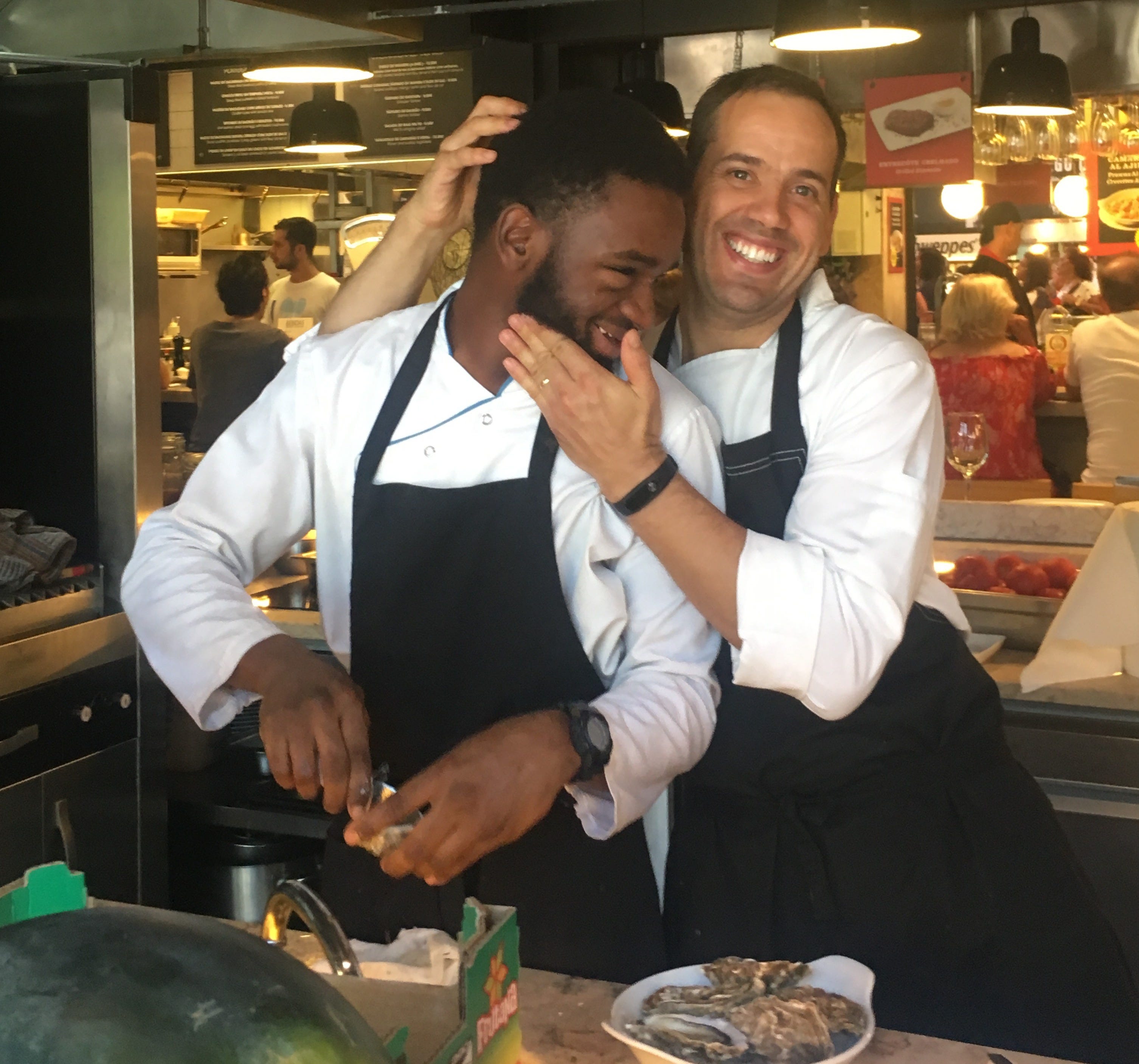
Work with people you like. During an interview with Chef David Bull, I asked about his hiring process for new cooks and chefs. He walked me through his process and at the end he said, “I can have candidates demonstrate their talent and skill, but I spend more time with these people than my family, I have to like them.” Sometimes people ask me why I’ve stayed at Whole Foods Market for over 11 years and my answer is always, “I like the work and I love the people I work with.” Every job has challenges, but when you work with people you like, those challenges feel manageable and solveable. Chef Bull is right. Life is too short work with people you don’t like.
I’m grateful for the positive lessons I’ve learned from my chef friends. When I want to make sure I’m showing up well for my team, it’s as easy as saying “Yes, Chef.”